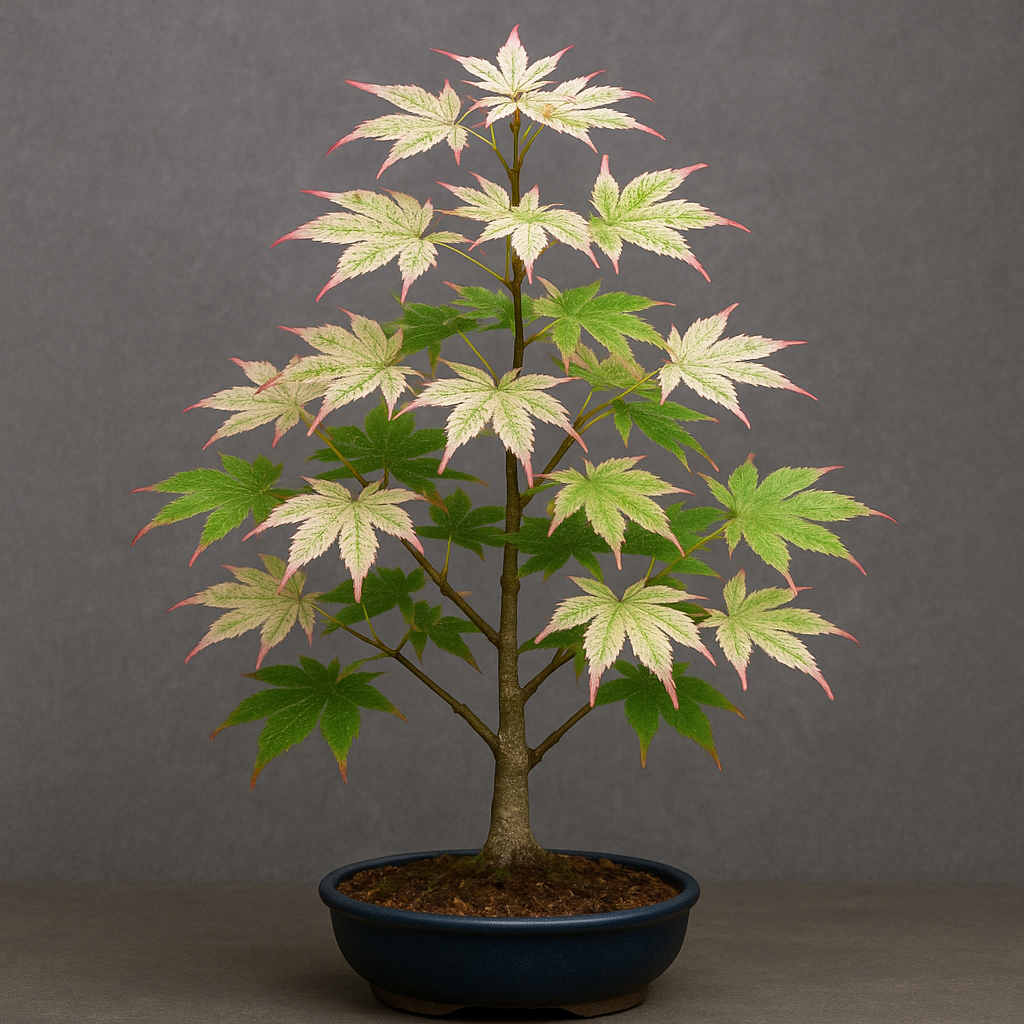
The Lion Head Japanese Maple is a dwarf cultivar of Acer palmatum known for its upright structure and dense, crinkled foliage that resembles a lion’s mane.
It grows slowly to about 6 feet over ten years and eventually reaches 10–15 feet at maturity. With small, textured leaves that start light green, turn deep green in summer and shift to orange or crimson in autumn, it provides year-round interest.
This tree is hardy in USDA zones 5–9 and tolerates more sun than many Japanese maples, making it suitable for warm climates.
This cultivar is often labeled ‘Shishigashira’, sometimes called Meijishi or O jishi. Its stiff branches hold tufts of foliage tightly, giving it a sculptural, bonsai-like appearance.
Because it grows slowly, it remains compact for many years, fitting well into small gardens and containers.
Its ability to handle full sun without significant leaf scorch is an advantage over some lace-leaf varieties, though it still benefits from afternoon shade in very hot regions.
Key Features and Specifications
Standout Characteristics and Growth Details
The Lion Head Japanese Maple has an upright, narrow habit with stubby, rigid branches that support clumps of small, heavily textured leaves.
Its foliage is distinctive: leaves are light green in spring, darken to deep green in summer, and develop golden, orange or crimson hues in autumn.
A 10-year-old tree is typically about 6 feet tall and 3–4 feet wide; over decades it may reach 10–15 feet in height and 7–8 feet in width. Growth is slow, about 6–12 inches per year, which contributes to its long-term manageable size.
This tree thrives in well-drained, slightly acidic soil. It prefers regular moisture but dislikes standing water, so planting it slightly elevated can help drainage.
It is hardy in zones 5–9 and tolerates full sun better than many Japanese maples. In very hot climates, giving it protection from the strongest afternoon sun reduces stress.
The Lion Head is also deer resistant and non-toxic to pets, making it a safe choice for family gardens.
Everything above is directly from the product page.
????Check the Amazon Product Here ????
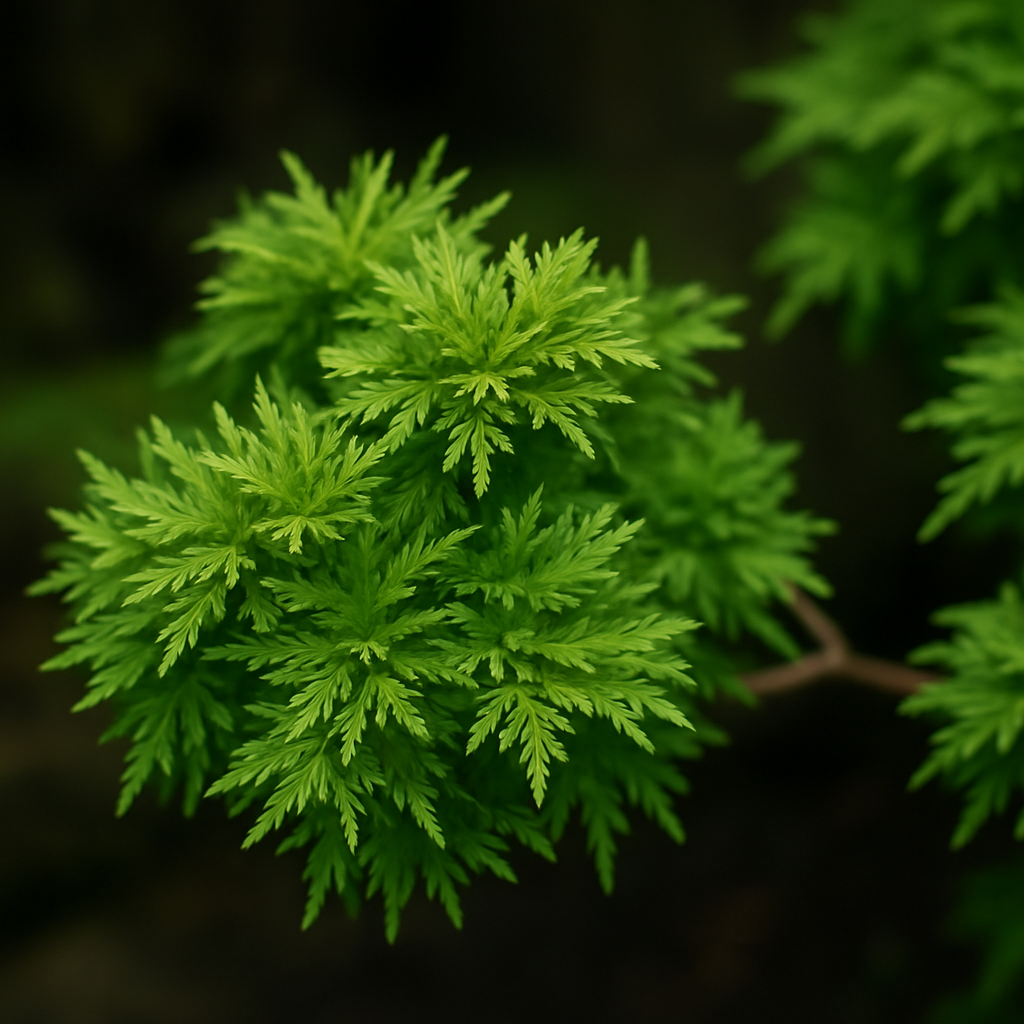
Lions Mane Japanese Maple- Acer palmatum Shishigashira 1 – Year Live Plant
The Lion Head Japanese Maple is an outdoor tree known for its compact, stubby growth and highly crinkled foliage that stands out in any small landscape or bonsai container.
Its bright green leaves grow densely along short branches, creating the unusual, sculpted look that makes this cultivar a favorite among collectors.
Disclaimer: This website is reader-supported. As an Amazon Associate, I earn from qualifying purchases. This does not affect the price you pay and helps us maintain this site.
––––––––––––––––––––––––––––––
Use Cases and Best Fit
Who Is This Maple For and Who Might Skip It?
The Lion Head Japanese Maple suits gardeners with small yards, patios or balconies who want a unique focal point. Its slow growth and compact size make it ideal for container gardening and even bonsai, where its stiff branches enhance the bonsai aesthetic.
Because it tolerates sun and heat, it can be planted in sunnier spots that might scorch other Japanese maples.
However, this cultivar is not ideal for those seeking a quick-growing shade tree or a large canopy. Its growth is deliberately slow, requiring patience to see significant height.
Gardeners wanting a more traditional lace-leaf look may prefer other varieties. It also needs well-drained soil; soggy or heavy clay sites could lead to root issues. In very windy locations, the stiff branches might be prone to breakage if not sheltered.
Lion’s Head Japanese Maple Family Showcase – youtube video
Pros and Cons
Key Benefits of the Lion Head Japanese Maple
Pros include its distinctive, sculptural appearance with crinkled leaves and dense, upright growth. Many buyers praise the healthy condition and careful packaging of nursery-supplied trees.
The cultivar’s tolerance of full sun and heat gives it an edge over more delicate Japanese maples. Its compact size makes it suitable for small gardens, patios and container culture, and its deer resistance offers peace of mind in wildlife-prone areas.
In addition, the tree provides multiple seasons of interest: fresh green foliage in spring and summer followed by striking orange or crimson fall color. Its branches create a bonsai-like structure without extensive pruning, appealing to collectors and bonsai enthusiasts.
Drawbacks to Consider
The main drawback is the very slow growth rate. It takes many years to attain even modest height, which can be frustrating for gardeners wanting immediate impact. Larger sizes often command higher prices and can be hard to find, as nurseries may sell out of mature specimens quickly.
While it tolerates full sun, it still needs careful placement in extremely hot regions to avoid stress.
Poorly drained soils or overly wet conditions can lead to root problems, and its stiff branches may be susceptible to breakage if exposed to strong winds.
Finally, its highly textured foliage is a matter of taste; some gardeners may prefer more traditional lace-leaf or broad-leaf maples.
Alternatives and Competitors
How Does It Compare to Other Japanese Maples?
Alternatives to the Lion Head Japanese Maple include several well-known cultivars.
Red Dragon is a cascading lace-leaf maple with bright red leaves that darken to burgundy, reaching about 8–12 feet tall. It offers a weeping form and striking color but lacks the sculptural, upright look of the Lion Head.
Crimson Queen is another weeping variety with red-purple leaves, growing 10–12 feet tall and wide; it requires more water and prefers partial shade.
Bloodgood is a classic upright red maple that grows 15–25 feet tall, producing a larger canopy and deeper burgundy foliage throughout summer.
Emperor 1 is a vigorous, heat-tolerant upright tree with consistent red leaves that hold their color through summer and grow up to 15 feet, providing a faster-growing alternative.
When choosing an alternative, consider the desired size, shape and color. The Lion Head stands out for its slow, upright habit and unique, crinkled leaves. If you need quicker shade, a taller tree, or a weeping form, one of these competitors may be more suitable.
How To Decide If This Product Is Right For You
This cultivar is perfect for gardeners who appreciate a distinctive, sculptural tree and are willing to wait for slow, gradual growth. It suits compact spaces, container culture and sunny patios where its tolerance for heat and sun shines. If you enjoy bonsai, this maple’s stiff branches and dense foliage make it a standout candidate. On the other hand, if you need a rapid-growing tree for shade, or have poorly drained soil, you might prefer a different Japanese maple variety. Assess your garden’s light, space and soil conditions before deciding.
Frequently Asked Questions
How large does the Lion Head Japanese Maple get?
A Lion Head Japanese Maple reaches about 6 feet tall and 3–4 feet wide after ten years. Over decades it may grow to 10–15 feet tall and 7–8 feet wide. Its slow growth keeps it manageable for small gardens and containers.
Does the Lion Head Japanese Maple tolerate full sun?
This cultivar tolerates full sun better than many Japanese maples, making it suitable for bright locations. In regions with very hot summers, providing afternoon shade will help reduce stress and prevent leaf scorch.
Can I grow the Lion Head Japanese Maple in a container?
Yes, the slow growth and compact size make this tree ideal for container culture. Use a well-draining potting mix, water regularly without letting the soil stay soggy, and repot every few years to refresh the soil and accommodate root growth.
What are the differences between Shishigashira, Meijishi and O jishi?
“Shishigashira” is the common name for this cultivar and may refer to two forms: Meijishi (female lion) and O jishi (male lion). Both have crinkled leaves, but Meijishi tends to have denser foliage, grows slightly faster and is the form most often sold in nurseries.
What are common problems with this tree?
The Lion Head Japanese Maple generally has few pests or diseases but can suffer root problems in poorly drained soil. Overwatering, waterlogged conditions, or heavy clay can lead to decline. Strong winds can break its stiff branches, so planting in a sheltered spot is advisable.