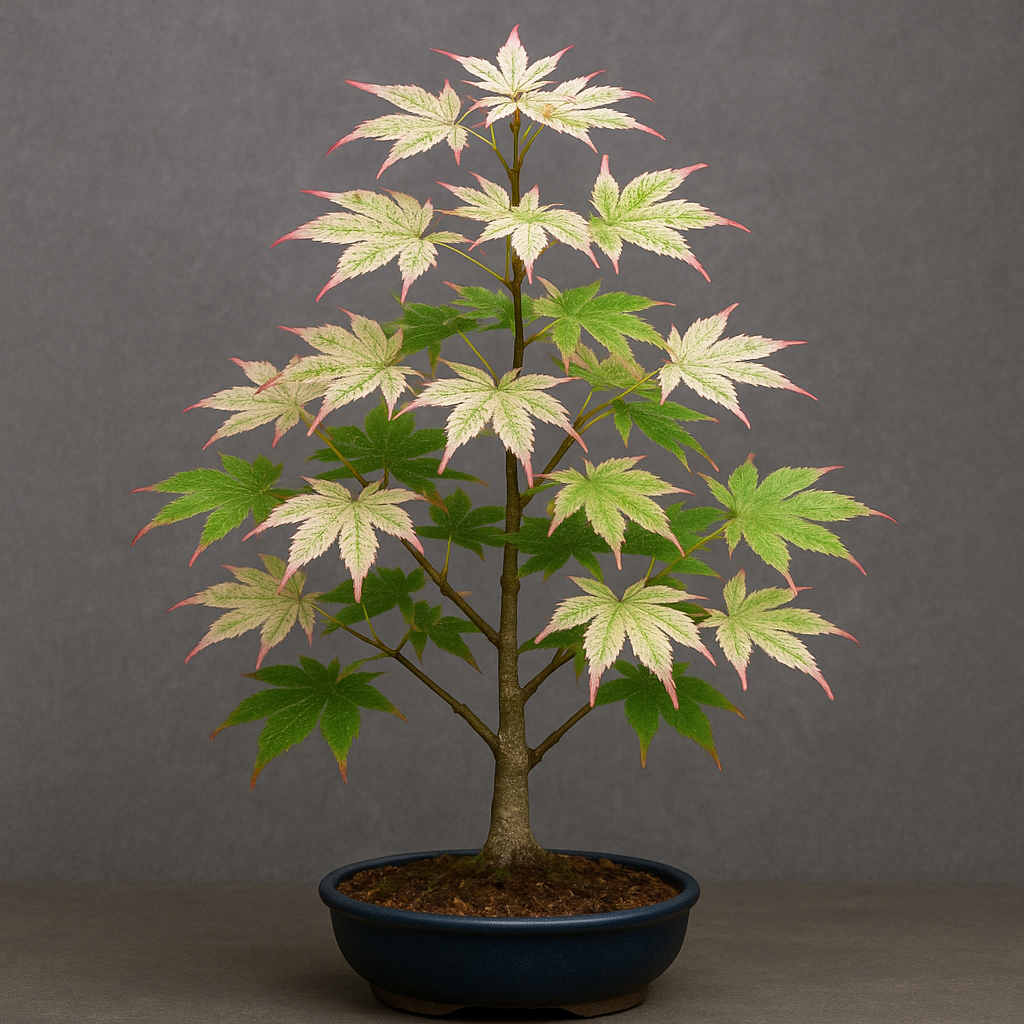
The Murasaki Kiyohime Dwarf Japanese Maple Tree is a compact, colorful Japanese maple known for its tiny leaves with purple to brick red edges and a wide, low-growing canopy. Gardeners choose it for small gardens, containers, patio corners, and bonsai training because it stays short, develops dense branching, and delivers strong spring and fall color.
Its Amazon listing describes it as a 2 year live plant that can reach up to 6 feet at maturity, although most nursery data reports a smaller height and a wider spread.
This review brings together verified facts from professional growers plus real user feedback to help buyers understand size expectations, care needs, and ideal use cases.
What Makes The Murasaki Kiyohime Dwarf Japanese Maple Tree Unique
The Murasaki Kiyohime Dwarf Japanese Maple Tree is known for its small leaves with a yellow green center and a pronounced brick red or purple edge. It has a dwarf, bushy, spreading habit and keeps a low profile in the landscape. Many buyers choose it for bonsai because of its small leaves and slow growth.
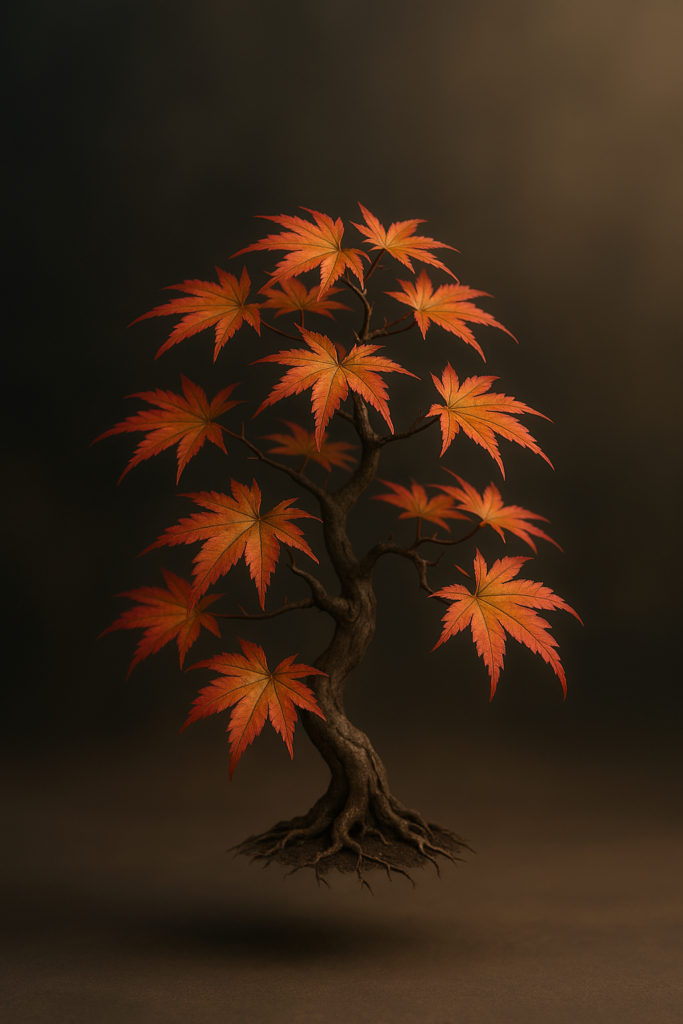
The tree stands out through its seasonal color, compact shape, and suitability for containers. Spring growth is bright and eye catching. Summer foliage becomes more uniformly green but keeps a tinted edge. Fall color ranges from orange to bronze. It grows wider than tall, forming a dense mound ideal for foreground planting or patio containers.
Everything above is directly from the product page.
????Check the Amazon Product Here ????

Murasaki Kiyohime Dwarf Japanese Maple Tree 2 – Year Live Plant
This Japanese maple grows into a compact 6‑foot tree with a wide, low habit, making it easy to train as a bonsai or to fit into tight garden spaces. Its new leaves come in pale green with a distinctive red edge, giving the plant seasonal color contrast and ornamental value.
As it matures, the branches grow horizontally, adding a layered look without weeping, and it withstands conditions in USDA zones 5–8, so it can thrive in many regions with moderate care.
Disclaimer: This website is reader-supported. As an Amazon Associate, I earn from qualifying purchases. This does not affect the price you pay and helps us maintain this site.
KIYOHIME DWARF JAPANESE MAPLE – JAPANESE MAPLES EPISODE 7 – YouTube video
Key Features And Specifications
- Dwarf Japanese maple cultivar
- Small leaves with red or purple edges in spring
- Slow growing, often wider than tall
- Suitable for zones 5 to 8
- Expected mature size on Amazon is up to 6 feet tall, but nursery data places typical height closer to 2 to 4 feet with a wider spread
- Works well in full sun or partial shade
- Moderate watering needs
- Sold as a 2 year live plant in soil
Because this cultivar stays compact, it does not dominate a space. Its size makes it easier to place near entryways, seating areas, and rock gardens. The small leaves and horizontal branching also appeal to bonsai growers who want proportionate foliage.
Use Cases And Best Fit
This dwarf maple is best for small gardens, patios, containers, and bonsai training. Its low, spreading habit fills space without adding height, making it suitable for tight landscapes. The colored leaf edges provide visual interest during early growth and fall.
Users report good results in partial shade where the leaves stay bright and avoid burn. It can work in full sun in cooler climates. It is not ideal for gardeners who want a taller shade tree, fast growth, or a vertical focal point. It also requires well drained soil and protection from strong afternoon sun in warmer regions to prevent leaf scorch.
Pros And Cons From Real Users
Pros Based On Buyer Feedback
Short capsule: Users appreciate the healthy condition of the shipped plant. Many value the bright spring color and compact size. The tree fits well in containers. Buyers also mention good packaging from the seller.
Extended notes:
Reviews show consistent praise for the vivid spring growth that matches nursery descriptions. The tiny leaves and short stature make the plant practical for limited spaces. Customers note that the plants arrive well rooted and ready to establish. Several mention that the plant inside the box was often larger than expected. The small form and steady growth rate also make it a suitable beginner maple for bonsai.
Cons Reported By Buyers
Short capsule: Some users received plants smaller than expected. A few reported leaf burn in hot sun. Growth is slow and may not match the 6 foot estimate. Shipping sometimes causes minor branch breakage.
Extended notes:
There are mixed expectations about size. While this cultivar is naturally small, some buyers assumed faster growth due to the Amazon height listing. Leaf scorch is a common issue for dwarf Japanese maples in warm climates or in exposed full sun. A few users reported cosmetic damage from shipping, although the plant remained viable. The slow growth rate means visible size changes take time, which may disappoint buyers expecting immediate impact.
Competitors And Alternatives
Similar Dwarf Maple Options
Short capsule: The closest alternative is the Kiyohime Japanese Maple. Seiryu, Pixie, and Tamukeyama serve different growth habits. Each offers different leaf shapes and colors.
Extended notes:
Kiyohime has similar structure but leaf edges appear more orange red rather than purple. Seiryu is an upright lace leaf maple with much taller growth and finer texture. Pixie keeps deep red leaves through most of the season and stays compact. Tamukeyama offers a weeping form with rich red tones and performs well in sun. These alternatives may fit better if buyers want more height or consistent red foliage.
SERP Gaps And Information Opportunities
What Most Listings Fail To Explain
Short capsule: Existing pages rarely clarify true mature size. Care guidance for heat and sun exposure is limited. Bonsai suitability is often mentioned without practical detail. Differences from similar cultivars are unclear.
Extended notes:
Nursery data suggests that this cultivar usually stays much lower than 6 feet and spreads wider than it grows tall. Many listings ignore this. For heat and sun, users need clear guidance because leaf burn is a common issue across dwarf Japanese maples. Bonsai growers benefit from details on leaf size, branching direction, and root growth. Another gap is the confusion between Murasaki Kiyohime and Kiyohime. Explaining their variation in vigor and coloring helps buyers choose the right plant.
What Is The Murasaki Kiyohime Dwarf Japanese Maple Tree
Short capsule: It is a compact Japanese maple with small leaves that have red or purple edges. It grows slowly and forms a low, wide mound. It is sold as a 2 year live plant. It suits zones 5 to 8.
Extended notes:
This cultivar is valued for its colorful spring growth and controlled size. It works well for containers, patios, and bonsai. Nursery data supports a mature size of about 2 to 4 feet high and 4 to 6 feet wide. Amazon lists a potential height of 6 feet. It prefers well drained soil and moderate sunlight exposure.
Who This Tree Is Best For
Short capsule: It is ideal for small gardens, patios, and bonsai growers. It suits buyers who want color and shape in a limited space. It works well in containers. It is good for people who prefer slow, steady growth.
Extended notes:
Urban gardeners and collectors appreciate its scale and strong seasonal interest. It brings detail and texture to entryways, courtyards, and rock gardens. Because it stays low, it does not block views or windows. Bonsai growers like the leaf size and branching pattern.
Who Should Not Choose This Tree
Short capsule: It is not suited for people who want a fast growing shade tree. It is not ideal for very hot climates with strong afternoon sun. It is not the best choice for buyers expecting rapid height.
Extended notes:
The plant grows slowly and remains compact for many years. In warmer regions, leaf scorch is possible without shade during hot hours. Gardeners who want tall screening or quick coverage will need a different variety. It also requires well drained soil, so heavy clay sites can cause stress.
How Big The Murasaki Kiyohime Usually Gets
Short capsule: Most nurseries report a height of 2 to 4 feet at maturity. The spread is often wider than the height. Growth is slow and steady. Amazon lists a possible height of up to 6 feet.
Extended notes:
This difference in size expectations is common for dwarf maples. Conditions, climate, soil quality, and pruning all influence final form. Buyers should expect a short, broad, mound shaped tree with dense branching.
Sun And Soil Requirements
Short capsule: It grows in full sun or partial shade. Partial shade protects leaves in warm climates. It needs well drained soil. Watering should stay moderate.
Extended notes:
Partial shade helps prevent leaf scorch in areas with intense summer heat. Morning sun with afternoon protection is a typical pattern for dwarf maples. The soil should drain well to avoid root problems. Overwatering and heavy soil can cause stress. Moderate watering helps maintain steady growth.
How To Decide If This Product Is Right For You
Choose this plant if you want a compact maple with strong spring color, small leaves, and a spreading form that stays manageable in small spaces. It is a practical choice for containers and bonsai. It fits well in gardens with limited vertical space. If you prefer fast growth, tall height, or sun resistance in hot climates, a different Japanese maple may be better suited.
Frequently Asked Questions
How fast does the Murasaki Kiyohime Japanese maple grow
This tree grows slowly, often just a few inches per year. The slow rate helps maintain its dense structure. It is typical for dwarf Japanese maples to mature gradually over many seasons.
How much sun does this tree need
It tolerates full sun in cooler regions but often performs best in partial shade. In warm climates, afternoon shade helps reduce leaf scorch. Morning sun is usually a safe balance.
Is it good for bonsai
Yes. The small leaves, horizontal branching, and slow growth make it suitable for bonsai training. The plant responds well to container culture when given proper soil and watering.
How tall will it get in most gardens
Most nursery data places mature height between 2 and 4 feet with a wider spread. Amazon lists up to 6 feet. Growth depends on climate, soil, pruning, and container use.
What is the best soil type for this maple
A well drained soil mix is important. Heavy clay holds too much moisture and should be amended. Consistent but moderate watering supports healthy root development.