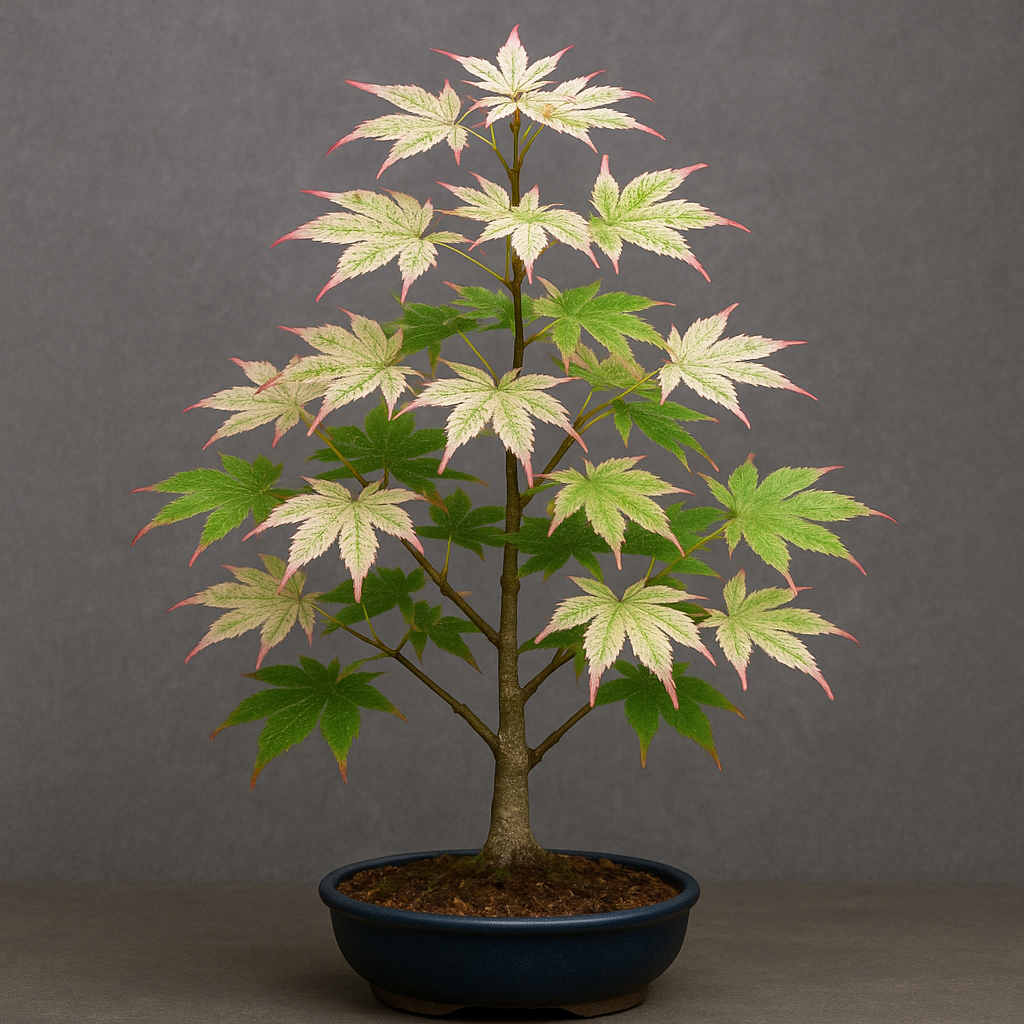
The Osakazuki Japanese Maple Tree is known for reliable growth, strong seasonal color, and a shape that fits well in most outdoor landscapes.
Gardeners often pick this variety for its bold fall foliage and its ability to adapt to sun or partial shade.
Before choosing one for your garden, it helps to know the main features and what makes this tree stand out.
Below is a clear look at the core specifications and seasonal traits you can expect.
Key Details of the Osakazuki Japanese Maple Tree for Sale
The Osakazuki Japanese Maple Tree for Sale is a grafted Acer palmatum cultivar grown for its dramatic autumn foliage. It is an outdoor plant that prefers zones 5 to 8 and matures to about 10–15 feet tall with a similar spread. Leaves start green in spring and summer, then turn brilliant orange‑red in autumn. This tree is often sold as a two‑year graft, which means a young scion is attached to hardy rootstock.
What are the key features and specifications?
The Osakazuki Japanese Maple is an outdoor tree that thrives in full sun to partial shade. It grows best in well‑drained, slightly acidic soil and has moderate water needs. Mature plants reach 10–15 feet in height and width, forming an upright yet rounded shape.
Beyond the basic dimensions, the tree is known for its large, seven‑lobed leaves that change dramatically with the seasons. Spring foliage is a fresh light green, summer leaves remain bright green, and fall brings vivid crimson red. This variety received the Royal Horticultural Society’s Award of Garden Merit in 1993, highlighting its ornamental value. It is sold as a single plant (unit count: one) and the color listed in product information is green, referring to the summer foliage. The brand on Amazon is Japanese Maples and Evergreens, and the item is labelled organic.
????Check the Amazon Product Here ????
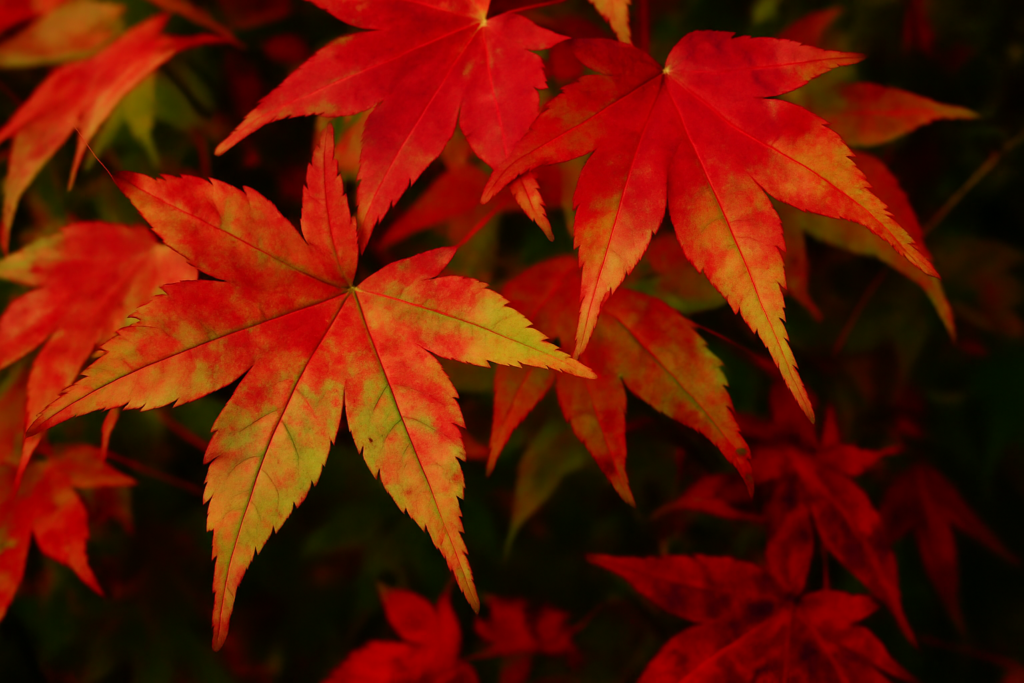
Osakazuki Japanese Maple 2 – Year Graft
This maple offers some of the best fall color among Japanese maples. The leaves are firmer and slightly larger than those of other palmatums and they retain a green color through the summer while suffering less sun burn.
Osakazuki prefers morning sun and afternoon shade in warmer climates, while cooler regions can provide more sunlight
Disclaimer: This website is reader-supported. As an Amazon Associate, I earn from qualifying purchases. This does not affect the price you pay and helps us maintain this site.
––––––––––––––––––––––––––––––
What is the planting and care schedule?
Planting is typically done in summer or early autumn when the soil is workable. Osakazuki prefers morning sun and afternoon shade in warmer climates, while cooler regions can provide more sunlight. Regular watering is essential during establishment, then reduced once the tree is well rooted. Mulching helps keep the root zone cool. Buyers should choose a planting site with room for the tree’s mature size and avoid areas with poor drainage or intense afternoon heat.
Acer Palmatum ‘Osakazuki’ | Fall Color Japanese Maple, Durability & Garden Pairings | Mr.Maple.com
What does the product description add?
The product description on the retailer page emphasizes that this maple offers some of the best fall color among Japanese maples. It notes that the leaves are firmer and slightly larger than those of other palmatums and that they retain a green color through the summer while suffering less sun burn. The description also suggests it can be used as a specimen or in a container, though long‑term container growth may be challenging due to its mature size.
Who Should Consider the Osakazuki Japanese Maple Tree for Sale
This maple is ideal for gardeners seeking a statement tree with dramatic seasonal color. It suits gardens in zones 5 through 8 and works well as a focal point in yards, along drives, or in woodland edges. Homeowners with space for a 10–15 foot tree and a desire for striking autumn foliage will appreciate it.
Is this tree right for my climate and garden size?
The Osakazuki Japanese Maple thrives in temperate climates and is hardy through cold winters. It tolerates full sun in cooler regions, but in hot zones it benefits from afternoon shade. Gardeners in very hot or arid climates may struggle with leaf scorch. Because mature trees spread up to 15 feet, small yards might find it overwhelming.
This cultivar also handles wind and occasional drought better than many Japanese maples, yet it still needs regular water and protection from prolonged heat. As with most maples, it is not suited to heavy clay soils that retain water. Container culture is possible while the plant is young, but long‑term growth in pots is not recommended.
Who might want to choose a different maple?
Those in very hot regions or those without space for a medium‑sized tree should consider smaller or more heat‑tolerant alternatives such as ‘Crimson Queen’ or ‘Viridis’. Similarly, gardeners looking for year‑round red foliage may prefer ‘Bloodgood’, which has burgundy leaves through much of the season but less dramatic fall color. If container growing is a priority, dwarf or laceleaf varieties are better suited.
Pros and Cons from Real Buyers
What do buyers like about this maple?
Customers appreciate the Osakazuki’s reliable color change and strong growth. Reviews note that the tree leafs out quickly after planting and establishes well in suitable climates. Gardeners enjoy the large leaves and the striking red display in fall.
The tree’s tolerance of partial sun and moderate drought also appears in feedback. Its ability to hold bright color for weeks and resist some wind and drought compared with other maples makes it attractive for many landscapes.
What are the common complaints?
Some buyers report receiving smaller plants than expected for a “two‑year” graft. One customer remarked that the plant looked more like a one‑year graft and was smaller than a slower‑growing maple purchased elsewhere. Others mention that the tree can suffer leaf scorch in very hot or sunny locations, especially if not watered frequently. A few reviews also hint at variation in graft quality, which can affect trunk flare and long‑term growth.
There are occasional reports of pest or disease issues, such as aphids or verticillium wilt, which are typical for Japanese maples. These concerns underscore the need for careful site selection, proper watering, and monitoring for insects.
How does it compare to expectations?
Most reviewers find the tree attractive and healthy when planted in the right conditions. However, expectations about size and age should be tempered; a two‑year graft is still a young plant and may be smaller than gardeners anticipate. Patience is required to see full mature form and color.
Alternatives to the Osakazuki Japanese Maple Tree
What are some comparable Japanese maple varieties?
Several Japanese maples offer different sizes and colors that may suit varying needs. ‘Bloodgood’ has burgundy leaves throughout the growing season but less intense fall color and a similar mature height. ‘Crimson Queen’ is a laceleaf variety with a cascading form and smaller stature (around 8–10 feet), making it suitable for tighter spaces. ‘Viridis’ provides bright green summer foliage that turns yellow or orange in autumn and typically reaches 8–12 feet tall.
‘Seiryu’ is an upright laceleaf variety that combines delicate dissected leaves with an erect form, growing about 10–15 feet tall. Each alternative has distinct leaf shapes, colors, and growth habits, so matching the tree to the garden’s size and aesthetic is important.
How do these alternatives differ in care needs?
All Japanese maples prefer well‑drained, slightly acidic soil and partial shade in hot climates. Varieties like ‘Crimson Queen’ require more shade and protection from wind due to their finely cut leaves. ‘Bloodgood’ tolerates more sun but may lose color in extreme heat. ‘Viridis’ is slightly more heat and drought tolerant, while ‘Seiryu’ combines upright growth with delicate foliage but still needs protection from afternoon sun.
How to Care for an Osakazuki Japanese Maple
What are the basic care requirements?
Caring for an Osakazuki Japanese Maple involves providing adequate light, water, and soil conditions. The tree grows best in slightly acidic, well‑drained soil with ample organic matter. Regular watering during the first two years helps establish a strong root system; after that, watering can be reduced except during droughts.
Morning sun with afternoon shade is ideal, especially in warmer climates. Mulching around the base helps retain moisture and moderates soil temperature. Prune sparingly during dormancy to remove dead or crossing branches, and avoid heavy pruning that could stress the tree.
How can I prevent common issues?
Leaf scorch is minimized by providing afternoon shade and consistent moisture. Avoid planting in exposed, windy areas, which can damage leaves and branches. Regularly inspect for pests such as aphids or scale and treat early with appropriate controls. Ensure proper drainage to reduce the risk of root diseases like verticillium wilt.
If the tree is grafted, inspect the graft union when purchasing to ensure it is low and smooth; this influences long‑term form. Proper planting depth—keeping the graft above soil level—helps prevent rot and encourages healthy growth.
What You Can Take Away From This Review
The Osakazuki Japanese Maple Tree for Sale offers brilliant fall color, a manageable mature size, and a relatively forgiving nature among Japanese maples. It fits best in temperate climates with space for a 10–15 foot tree and benefits from morning sun and afternoon shade. Buyers should be aware that a two‑year graft is still young and may arrive smaller than expected, so patience is required to see its full potential.
When planted in the right conditions and given basic care, this cultivar can become a standout feature in a yard. Gardeners in very hot or small spaces might prefer smaller or more heat‑tolerant alternatives. Understanding the tree’s needs and growth habits ensures that it will deliver the vibrant display and structure for which it is renowned.
Frequently Asked Questions
What size can I expect a two‑year grafted Osakazuki Japanese Maple to be on arrival?
A two‑year grafted Osakazuki maple is generally a young tree standing 1–3 feet tall. While it is considered a two‑year plant, actual height can vary depending on growing conditions and rootstock. It will continue to grow steadily after planting and may reach 10–15 feet at maturity over many years.
How much sunlight does this maple require?
Osakazuki thrives in full sun to partial shade. In cooler climates, it can handle more sun, while in warmer regions, it benefits from afternoon shade to prevent leaf scorch. Morning sun with filtered afternoon light is typically ideal.
Can this tree be grown in a container?
It can be grown in a container temporarily, especially during its early years, but long‑term container culture is challenging due to its eventual 10–15 foot height and root spread. Dwarf or laceleaf varieties are better suited for permanent container growing.
What are the watering needs after planting?
Water deeply and regularly during the first two growing seasons to establish the root system. Once established, the tree becomes moderately drought tolerant but still benefits from consistent moisture, especially in hot weather. Avoid waterlogging, as poor drainage can lead to root diseases.
Are there common pests or diseases to watch out for?
Osakazuki Japanese Maples can attract aphids, scale insects, and borers, and are susceptible to fungal diseases such as verticillium wilt if soil drainage is poor. Regular inspection and proper cultural practices, such as avoiding overhead watering and maintaining soil health, can help prevent these problems.